Home › Lanai Screen Enclosures
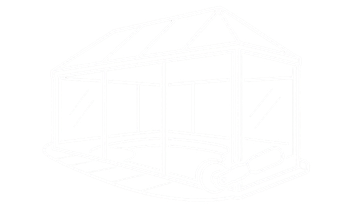
Create a relaxing outdoor room with custom lanai screen enclosures in Bradenton, FL. We design and build enclosed lanais that blend with your home’s architecture and provide shade, airflow, and insect protection. Enjoy morning coffee or evening gatherings in a comfortable, screened retreat.
Bradenton Screening provides professional lanai screen enclosure throughout Bradenton, FL, Florida and the surrounding area. Our licensed, insured crew delivers safe, clean, on-time work with a free estimate before anything begins. Call (941) 841-1630 or request your free quote.

Lanai screen enclosures built for Bradenton homes and weather
A lanai screen enclosure should match how you actually live outside in Bradenton, not a catalog picture from somewhere up north. At Bradenton Screening, we start by looking at your existing lanai or patio, how the sun hits it through the day, and how wind moves across your yard. We check roof overhangs, gutter layout, and slab condition so the new enclosure ties into your home cleanly and drains water correctly during our heavy summer rains.
Instead of forcing a standard layout, we measure for roof height, concrete slopes, and any obstacles like pool equipment, windows, and landscaping. This lets us design an aluminum frame that keeps sightlines open toward your canal, golf course, or backyard, while still giving you solid attachment points into concrete or block. For older lanais that were partially enclosed or screened years ago, we often recommend removing weak framing and starting fresh so you do not end up stacking new material on a failing structure.
The goal is practical: keep bugs out, reduce debris on the lanai, and give you a space you can actually use in the evening when no-see-ums are worst. Every design conversation is tied to those outcomes, not just how it will look in photos.
Materials and screen options that hold up in Gulf Coast conditions
Bradenton Screening uses aluminum framing sized and spaced for local wind conditions, not just minimum code. We explain the tradeoffs for you before we build. Larger posts can reduce flex in open spans and help keep door frames from racking during storms, which keeps screens tighter over time.
For screen fabric, you get options based on how you use the space:
• Standard fiberglass insect screen, good for general bug control and budget projects.
• No-see-um / 20x20 mesh, tighter weave for sandflies and midges, ideal if you are near water or mangroves.
• Pet-resistant screen, thicker vinyl-coated polyester that handles clawing better on lower panels and doors.
• Solar or privacy screen, darker and denser, which can cut glare on west-facing lanais and give some privacy from neighboring lots.
We talk honestly about tradeoffs. Tighter or solar screens reduce airflow and can catch more wind. On wide exposures we may suggest mixing meshes, for example standard screen high up for ventilation and no-see-um screen on lower panels where you actually sit. In coastal pockets of Bradenton, we can upgrade to stainless or coated fasteners and hardware to slow corrosion from salt air, especially on homes west of U.S. 41 or close to the bay.
For doors, we typically install heavy-duty aluminum screen doors with three hinges and adjustable hydraulic closers, which helps them close reliably despite wind gusts that are normal in afternoon storms.
Our lanai screening process from first visit to final walkthrough
With Bradenton Screening, the process starts on-site, not over the phone. We schedule a visit, walk your lanai with you, and note any structural or drainage issues that need to be addressed. We take detailed measurements, note wind exposure, and check the condition of your slab and existing attachment points. If you are in an HOA community, we can shape the design and color selection to match neighborhood rules and provide documentation for your approval request.
After the site visit, we provide a written proposal that spells out framing type, screen choice for each wall or opening, the number and style of doors, hardware details, and any extras like kick panels or pet doors. Pricing is broken down so you can see where cost is going, such as upgraded mesh or extra structural posts for long spans.
On installation day, we start by removing old screens and damaged framing if we are replacing an existing enclosure. We inspect anchor points, repair loose or spalled concrete where needed, and only then begin installing new aluminum framing. Panels are squared and fastened before we roll in new screen so the fabric does not have to hide framing mistakes. Screens are rolled in using spline sized for the chosen mesh, pulled to consistent tension, and trimmed cleanly with close attention to corners. Finally, we adjust doors for swing and latch alignment, add bug sweeps, and seal any small gaps where frame meets wall.
We finish with a walkthrough so you can check for tightness, door function, and sightlines. If you see something that bothers you visually or functionally, we address it before we leave.
What affects the cost of a lanai screen enclosure in Bradenton
Total cost is driven by a few main factors that we lay out up front so you can decide where to spend and where to save.
Size and height: Larger perimeter and taller walls mean more aluminum and more screen. Tall cage-style lanais that rise above the main roofline require heavier material and more labor than standard-height enclosures attached to the house.
Screen type: Upgrading from standard insect screen to no-see-um or pet-resistant mesh increases material cost. However, in many Bradenton neighborhoods near ponds or wetlands, the extra cost of no-see-um screen is usually worth it because cheaper screen will not keep the smallest biting insects out.
Structure complexity: Angled corners, cutouts around columns, multiple door openings, or integration with existing pool cages add time and hardware. If we need to tie into an older enclosure, we may recommend reinforcement so the new work does not rely on weak existing framing.
Site conditions: Uneven or cracked slabs may require repair or the use of shims and additional anchors. Homes located in higher wind exposure zones may also call for heavier posts, extra bracing, or upgraded fasteners to stay in compliance with local standards.
Access: Some Bradenton properties, especially along canals or tight zero-lot-line communities, limit access for ladders or material handling. When we see this during the estimate, we factor the extra labor time into the quote and explain it clearly so there are no surprises later.
Common lanai enclosure problems and how we prevent them
Most of the issues people call us about on older lanais are preventable if the enclosure is built and maintained correctly. At Bradenton Screening, we design and install with those problems in mind.
Sagging or wrinkled screens usually come from frames that were out of square, under-tensioned screen, or undersized spline. We square framing before screening anything and use the correct spline size for each mesh type so screens stay tight longer, even after strong winds.
Corroded fasteners and hardware are common in the Bradenton area due to humidity and salt in the air. On coastal and waterfront homes we recommend upgraded coated or stainless fasteners and heavier-duty door hardware. We also install fasteners where they are accessible, so they can actually be replaced during future maintenance rather than being buried or covered.
Water intrusion and algae lines occur when the enclosure blocks water flow or when gutters are not aligned with the new frame. When designing your lanai screen enclosure, we pay attention to gutter terminations, downspout locations, and existing slab slope. Where needed, we suggest small concrete adjustments or different attachment points so water drains away from door thresholds and seating areas.
Torn screens low to the ground are often caused by pets, furniture, or landscaping. We can install solid kick plates or pet-resistant screen on the bottom section only so you do not have to pay for premium mesh on the entire structure. For homes with lawn crews using string trimmers close to the lanai, we look at how close the grass edge is and recommend either a border or protective materials to keep trimming debris from shredding lower panels.
What to know before you hire a lanai screening company
If you are considering a new lanai screen enclosure in Bradenton, there are a few practical checks to make before you hire anyone. First, confirm that the company is familiar with local building requirements and HOA rules for your specific neighborhood, since many gated communities around here have color and height restrictions. Ask to see recent work in Bradenton, not projects from other counties with different conditions.
Make sure your quote calls out the screen type by name and mesh rating, the door hardware brand or specification, and the anchor type for your slab or walls. A low price that hides those details often means a mix of cheaper materials or undersized hardware. At Bradenton Screening, we put these details in writing so you can compare fairly with any other bids.
Ask how they handle bad weather timing. In our rainy and windy season, it is normal to adjust schedules, but it should not be an excuse for unfinished or rushed work. We plan lanai installations so essential structural steps are not left half-complete if an afternoon storm rolls in.
Finally, discuss maintenance openly. A good installer should tell you how to rinse salt and pollen off the enclosure, how often to check hardware, and what kind of screen lifespan to expect in your part of Bradenton. We are straightforward about this. Our goal is to build a lanai screen enclosure that works well for years and can be repaired in sections without tearing everything apart when individual panels eventually wear out.