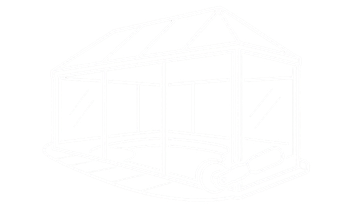

If you live in Bradenton, you know how perfect our evenings can be—until the no-see-ums, mosquitoes, and sudden rain showers chase you back inside. A well-designed screened-in patio lets you enjoy the breeze, shade, and views without the bugs or weather hassles, and it can seriously boost the value and comfort of your home.
At Bradenton Screening, we install and upgrade screened patios across Bradenton, and we’ve seen what works (and what doesn’t) in our coastal climate. Here are practical, Bradenton-specific ideas to help you plan a screened patio you’ll actually use year-round.
Choose the right layout for how you live
Before you think about colors or furniture, decide what you want your screened patio to do for you.
• Outdoor living room: If you mostly want a relaxing space to unwind, plan room for a full seating set, coffee table, and maybe a TV rated for outdoor use. In Bradenton, orient your main seating away from the harsh west sun if possible—late afternoon glare gets intense.
• Dining area: Love evening meals outside? Make sure there’s enough space to walk comfortably around the table and chairs. We often recommend at least 10' x 12' for a dedicated dining zone so you’re not bumping into the screen walls.
• Multi-use family space: Many Bradenton families want a flexible area for kids to play, pets to lounge, and adults to relax. A rectangular layout with one long wall left more open is ideal for shifting furniture or adding seasonal items like a portable bar or Christmas tree.
Screen materials that stand up to Bradenton’s weather
Our mix of sun, salt air, and storms is tough on cheap screens. Investing in the right material up front saves a lot of frustration later.
• Standard fiberglass: Budget-friendly and fine for low-traffic areas, but it can stretch or tear more easily, especially if you have kids or pets.
• Pet-resistant screen: Thicker and stronger, great for homes with dogs that like to jump or scratch. It also handles stray toys and patio furniture bumps better.
• No-see-um screen: A tighter weave designed to keep out the tiny biting insects we get near the water and wetlands. This is one of our most popular options in Bradenton because it dramatically improves comfort at dusk.
• Solar and privacy screens: These darker screens cut glare and provide extra privacy from neighbors. They’re helpful on western and southern exposures, but they will slightly dim the view and reduce airflow, so we typically mix them with standard screens depending on which side of the patio gets the most sun.
Flooring ideas that handle sand, moisture, and traffic
Your screened patio floor has to handle wet feet, sandy flip-flops, and frequent sweeping.
• Textured concrete: Simple, durable, and easy to hose down. A light color reflects heat, which makes a real difference on hot Bradenton afternoons.
• Pavers: Attractive and repairable in sections if one cracks or stains. We recommend a non-slip texture and proper drainage so puddles don’t form during heavy summer rains.
• Existing lanai upgrades: If you already have a lanai slab, we can often build a new screen enclosure over it. In some cases, resurfacing the concrete with a textured coating improves both looks and safety.
Making your screened patio truly Bradenton-friendly
There are many small design choices that make a big difference in everyday use.
• Ceiling fans: Even with good airflow, a fan keeps the air moving on still, humid days. We usually suggest at least one fan for every 150–200 square feet.
• Outlets and lighting: Plan ahead for string lights, lamps, and charging spots. Soft, warm lighting makes your screened patio inviting after sunset without attracting as many bugs to the doors.
• Door placement: Think about how you actually move—from the kitchen to the grill, from the pool to the house. Proper door placement prevents wet kids and pets from trekking through your living room.
• Pet doors: If you have dogs, a pet door integrated into the screen wall or door can be a game-changer, but it needs to be placed where it won’t compromise the structure or let in water during storms.
Storm and code considerations in Bradenton
Any screened patio in Bradenton has to handle high winds and meet Florida building codes. That means:
• Properly engineered aluminum framing sized for local wind ratings • Secure anchoring into the concrete slab and wall of the home • Quality fasteners and hardware resistant to corrosion from salt air
If you’re converting an open patio into a full screen enclosure, permitting may be required. A local screening contractor who works in Bradenton regularly will know when permits are needed, what setbacks apply, and how to coordinate inspections.
Easy-care tips for a long-lasting screened patio
Once your screened patio is installed, a bit of routine care keeps it looking good for years.
• Rinse the enclosure every month or so to remove salt, pollen, and dirt. • Gently brush rails and corners where mildew likes to grow. • Check for loose screws, sagging panels, or small tears before storm season so minor issues don’t become major damage. • Trim nearby shrubs and palms so fronds and branches don’t scrape the screens.
When to upgrade instead of just patching
If your current screen enclosure has multiple tears, faded brittle mesh, or corroded fasteners, it might be time for more than a quick patch.
We often help Bradenton homeowners upgrade from an older, dark enclosure to a cleaner, more open design with better airflow and modern screen options. Sometimes replacing several old panels with no-see-um or pet-resistant mesh, plus a new screen door, completely changes how usable the space feels.
Planning your screened-in patio in Bradenton
Every patio and backyard is different, and the best design is the one you’ll actually enjoy often. When we visit Bradenton homes for screen installation, we look at sun angles, wind direction, views, privacy needs, and how your family uses the space.
If you’re ready to turn your buggy, underused patio into a comfortable screened retreat, Bradenton Screening can walk you through design options, screen materials, and local code requirements so your new enclosure fits your home and our Gulf Coast climate.